

What Is Vaginal Discharge?
Vaginal discharge is a natural fluid that plays an important role in a woman’s reproductive health. From a medical perspective, it refers to the fluid released from the uterus and vagina. This fluid is made up of a combination of cells, bacteria, mucus, and water.
The main benefits of vaginal discharge include:
- Keeping the vagina clean and healthy
- Indicating a woman’s fertility status
Among the different types of vaginal discharge, cervical mucus is especially important for fertility. When women understand these natural changes in their bodies, it can help them maintain uterine health and support informed family planning decisions.
What Is Cervical Mucus?
Cervical mucus (also known as cervical fluid) is a natural secretion produced by the cervix. Due to monthly hormonal changes—primarily oestrogen and progesterone—the cervical mucus changes in:
- Colour
- Amount
- Thickness and texture
These changes are natural signs that support fertility and the ability to conceive.
What Can Cause Changes in Cervical Mucus?
Hormonal Changes : Oestrogen and progesterone regulate the production and quality of cervical mucus.
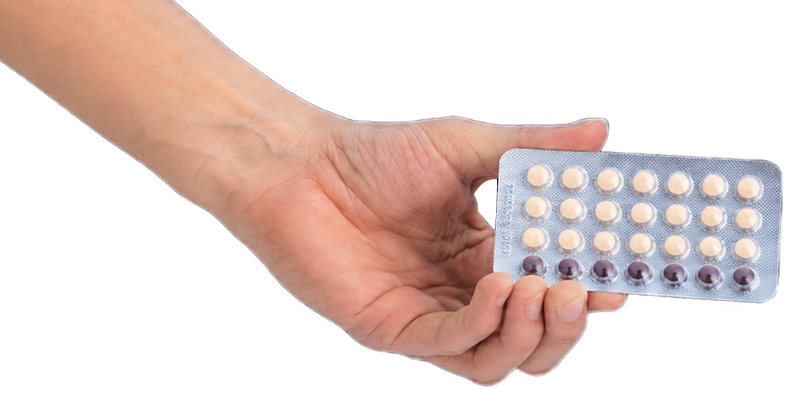
Medications : Birth control, allergy medications, and certain other medicines can affect mucus production.
Diet & Hydration : Daily eating habits and adequate water intake influence overall health and can also affect cervical mucus.
Infections or STIs : Sexually transmitted infections (STIs) or vaginal yeast infections can change the colour, smell, and amount of cervical mucus.
Medical Conditions : Conditions such as PCOS (Polycystic Ovary Syndrome), cervical cancer, or thyroid disorders can disrupt hormonal balance and impact cervical mucus production.
Cervical Mucus Changes Throughout the Menstrual Cycle
| Time Period | Condition |
|---|---|
| Menstruation (Days 1–5) | Little or no mucus |
| Post-menstruation (Days 6–9) | Dry or slightly sticky |
| Pre-ovulation (Days 10–12) | Creamier, increased amount |
| Ovulation (Days 13–15) | Clear, slippery, stretchy, egg-white-like – “fertile mucus” |
| Post-ovulation (Days 16–21) | Thicker with reduced amount |
| Pre-menstruation (Days 22–28) | Minimal and sticky – low fertility |
Recommendation
Days 13 to 15 after menstruation are the most fertile days, when the chances of pregnancy are highest.