

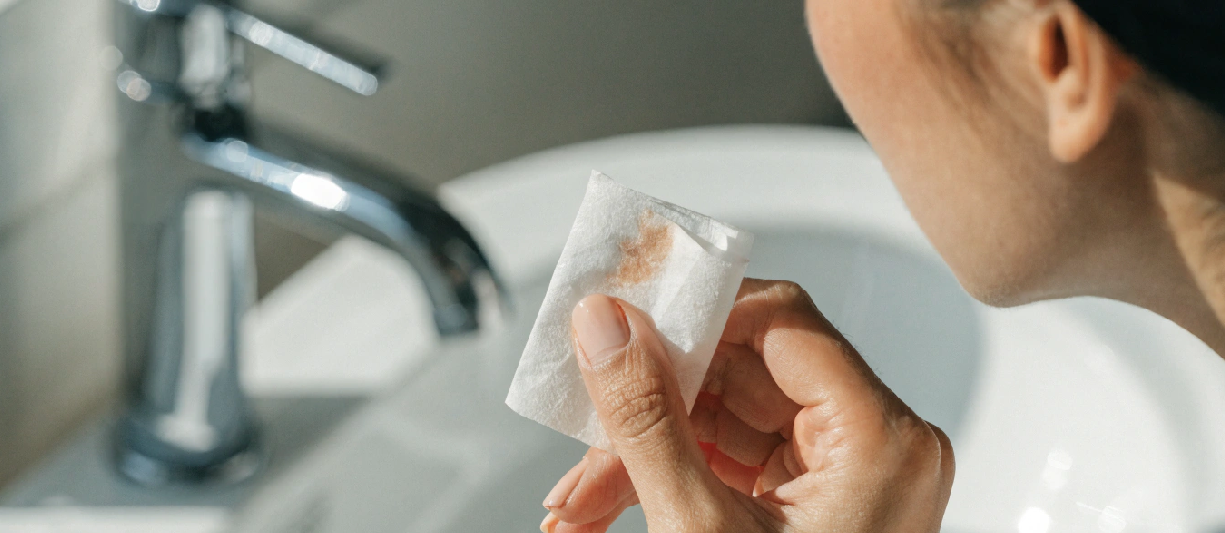
Vaginal discharge is a common and natural occurrence. It is a type of natural fluid that helps keep the vagina clean and healthy and also supports overall uterine health.
However, if the discharge begins to cause daily discomfort, such as itching, develops a strong or unpleasant odor, or changes from its usual white color to other colors (such as green, yellow, or brown with a mold-like appearance), it is important to have it properly evaluated.
To help women better understand what different symptoms related to vaginal discharge may indicate, the information below is presented in an easy-to-understand table.
| Discharge Type and Color | Possible Condition | Other Symptoms |
|---|---|---|
| Brown or coffee-like color | Irregular menstrual cycle, cervical cancer, or uterine problems. | Lower abdominal pain and abnormal bleeding. |
| Cloudy or pale yellow color | Gonorrhea | Lower abdominal pain and urinary incontinence. |
| Green or yellow with a bad odor | Trichomoniasis | Pain during urination. Vaginal itching. |
| Pink | Postpartum bleeding from the uterus (Lochia) | Bleeding with clots. |
| Thick white (cottage cheese-like appearance) | Yeast infection | Redness, swelling, and pain in the outer vagina (vulva). Itching and pain during sexual intercourse. |
| Green or yellow with a fishy odor | Bacterial imbalance (Bacterial vaginosis) | Redness and swelling of the outer vagina. Itching and pain. Burning sensation when urinating. |
What Causes Vaginal Infections in Women?
Vaginal infections are common among many women. Some of the main factors that can lead to vaginal inflammation and infection include the following :
A moist vaginal environment, which allows germs to grow. This can happen when wearing wet clothing for a long time, such as swimsuits, or tight clothing that does not allow proper air circulation.
Use of antibiotics or certain medications, which may increase vaginal discharge and disrupt the natural balance of bacteria, allowing infections to develop.
Hormonal medications, such as birth control pills, can cause increased vaginal discharge in some women. If proper hygiene is not maintained, this may lead to infection.
Not keeping the vaginal area clean and dry after using the toilet, which can allow bacteria or fungi to enter the vaginal area under unhygienic conditions.
Weakened immune systems, especially in women who have underlying medical conditions, which can increase the risk of vaginal infections.