

10 Health Questions Women Are Afraid to Ask — But Should

Many women have health questions they want to ask their doctors but often feel too embarrassed or uncomfortable to bring
up. They may think, “This is too personal,” or “Maybe I shouldn’t ask this.

However, avoiding important health questions can sometimes make small problems become more serious over time. That’s why
doctors encourage women to ask openly and honestly about any concerns related to their health.

In this article, Lydia Club shares 10 important health questions that women may feel shy about asking — but definitely
should.

1

Is bleeding or pain after sex normal?

Bleeding or pain after sexual intercourse should not be ignored. It may be caused
by infection, hormonal imbalance, or other medical conditions.

2

Is vaginal odor normal?

A mild natural odor is normal. However, strong, unusual, or unpleasant smells
should be checked by a doctor.

3

Is vaginal discharge normal?

Most women experience natural discharge. But changes in color or bad odor may
require medical attention.

4

Are very heavy or long periods normal?

Very heavy bleeding or long-lasting periods may indicate hormonal or uterine
conditions.

5

Is sex during pregnancy safe?

In a healthy pregnancy, sex is generally safe. However, some conditions require
medical advice.

6

Is it a problem if I can’t reach orgasm?

Some women naturally find it difficult. Stress or health conditions may also play
a role.

7

Are small bumps around the vagina dangerous?

Some bumps are harmless, but others may indicate infection and should be checked.

8

Why are my periods extremely painful?

Severe pain may be linked to conditions like endometriosis or other reproductive
issues.

9

Why do I urinate frequently?

Frequent urination may be caused by a urinary tract infection (UTI) or other
conditions.

10

When should I worry about body changes?

If you notice ongoing pain, unusual bleeding, or changes in odor, seek medical
advice promptly.

Lydia Club’s Advice

Never feel embarrassed to ask health-related questions. Doctors are there to help
you, and asking questions openly can play an important role in protecting your health.
If you forget to take your daily medication

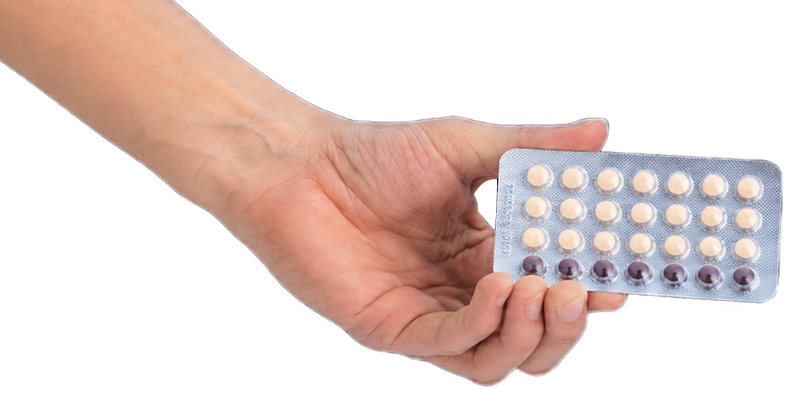
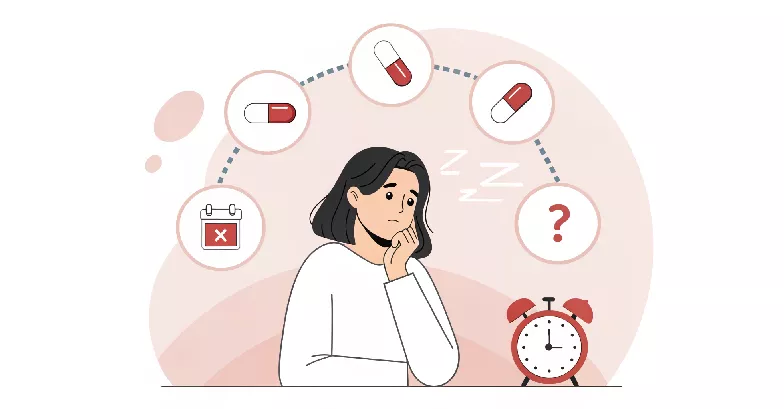
Forgetting to take a single daily pill is quite common. If it’s only missed for one day, there is usually no need to worry too much. As soon as you remember, you should take it immediately, and then continue taking the next dose at the usual scheduled time.

However, if you keep forgetting doses repeatedly, the effectiveness of the medicine may decrease, and in some cases (such as birth control pills), it could increase the risk of pregnancy.

If you forgot to take emergency contraception after having unprotected sex

Emergency contraceptive pills are only effective if taken within a specific time window. If you missed it, it can be worrying, but try not to blame yourself.

In some cases, taking a higher dose of regular daily contraceptive pills (for example, 8 pills at once, depending on the type) may be used as an emergency method. However, this should only be done in true emergency situations.

Also, remember that this is not a substitute for proper contraception. You should learn about more reliable long-term birth control methods.
To learn about high-quality non-emergency contraception options, visit: [relevant link here]

[OR]

If you know in advance that you will have sexual activity, or if you expect to have unprotected sex regularly, it is better and safer to choose more reliable contraceptive methods such as Ladyia’s other birth control options (daily pills, 3-month injectable contraceptives, Implanon II implant, etc.).

To learn more about high-quality, non-emergency contraceptive methods from Ladyia, visit: [relevant link here]

If you have sex again after taking emergency contraception

If you have sex again after taking emergency contraception, you may need to take another dose of emergency contraception.

If you are not sure whether you took your pill today

This kind of uncertainty can happen. If you are not sure whether you have taken your pill or not, you can try keeping a schedule to help you check.

Setting a daily phone reminder for the same time and using a pill box can be very helpful, especially for women who often get confused about whether they have taken their medication.

If you take your daily pill at the wrong time or miss a dose

If you take it at an irregular time or forget a dose, continue taking it at the correct time on the following days.

If you want extra peace of mind while using it, you may also consider using an additional protective method.

If you would like more detailed advice or consultation, you can contact us via:  Contact Us

Symptoms commonly experienced by women after taking birth control pills, and helpful ways to manage them

Common symptoms in some women (usually not serious):

  • Headache
  • Fatigue
  • Nausea
  • Mood swings
  • Increased appetite
  • Irregular menstruation while taking the pills

Ways to feel better and manage these symptoms:

  • Drink plenty of water
  • Eat regular, balanced meals
  • Do light physical exercise
  • Get enough sleep and rest

These symptoms caused by hormonal changes are usually not a cause for concern. Some women may feel better within the first 2 months, while others may take around 3–4 months to adjust.

However, if you experience severe or unbearable discomfort, you should consult a qualified doctor and consider switching to another suitable method.

To learn more about high-quality contraceptive methods from Ladyia, visit:   Family Planning Methods

Irregular Menstrual Bleeding And Other Symptoms

Irregular periods, or changes in the amount of menstrual bleeding (heavier or lighter than usual), can happen during times when the body is adjusting to changes.

In most cases, the body will gradually adapt and regulate itself over a short period of time. However, if the condition continues for a long time or does not improve, you should consult a qualified and experienced doctor for proper advice and evaluation.

Viginal Discharge & Symptoms

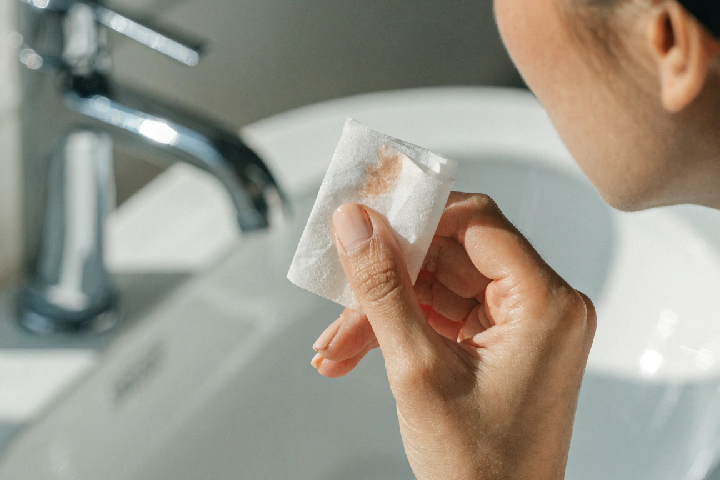
Vaginal discharge is a common and natural occurrence. It is a type of natural fluid that helps keep the vagina clean and healthy and also supports overall uterine health.

However, if the discharge begins to cause daily discomfort, such as itching, develops a strong or unpleasant odor, or changes from its usual white color to other colors (such as green, yellow, or brown with a mold-like appearance), it is important to have it properly evaluated.

To help women better understand what different symptoms related to vaginal discharge may indicate, the information below is presented in an easy-to-understand table.

Discharge Type and Color Possible Condition Other Symptoms
Brown or coffee-like color Irregular menstrual cycle, cervical cancer, or uterine problems. Lower abdominal pain and abnormal bleeding.
Cloudy or pale yellow color Gonorrhea Lower abdominal pain and urinary incontinence.
Green or yellow with a bad odor Trichomoniasis Pain during urination. Vaginal itching.
Pink Postpartum bleeding from the uterus (Lochia) Bleeding with clots.
Thick white (cottage cheese-like appearance) Yeast infection Redness, swelling, and pain in the outer vagina (vulva). Itching and pain during sexual intercourse.
Green or yellow with a fishy odor Bacterial imbalance (Bacterial vaginosis) Redness and swelling of the outer vagina. Itching and pain. Burning sensation when urinating.

What Causes Vaginal Infections in Women?

Vaginal infections are common among many women. Some of the main factors that can lead to vaginal inflammation and infection include the following :

A moist vaginal environment, which allows germs to grow.  This can happen when wearing wet clothing for a long time, such as swimsuits, or tight clothing that does not allow proper air circulation.

Use of antibiotics or certain medications, which may increase vaginal discharge and disrupt the natural balance of bacteria, allowing infections to develop.

Hormonal medications, such as birth control pills, can cause increased vaginal discharge in some women. If proper hygiene is not maintained, this may lead to infection.

Not keeping the vaginal area clean and dry after using the toilet, which can allow bacteria or fungi to enter the vaginal area under unhygienic conditions.

Weakened immune systems, especially in women who have underlying medical conditions, which can increase the risk of vaginal infections.

Benefits of Family Planning in Your Life

  • Take control of your own choices

When you understand and manage your family planning, you can decide for yourself when to have children and how many to have, based on your life schedule.

  • Protect your health

You can use safe and suitable contraceptive methods that match your body and support your overall health.

  • Make life management easier

You can plan your work, family, and personal goals more systematically, reducing stress and uncertainty.

  • Build a strong and stable family

By deciding the timing and number of children, you can create a well-organized, stable, and happy family life.

Reach Out to Us

Have a question or need more information? Our team is here to help. Reach out to us anytime, and we will get back to you as soon as possible.

Choose A Platform To Connect With Us