Sexual Health Awareness For Women

Sexual activity is a natural experience that almost everyone encounters in life. It can be enjoyable, intimate, and fulfilling, but sometimes it can also feel confusing or overwhelming. Regardless, it’s very important for women to understand and take care of their sexual health.

Sexual health isn’t just about preventing diseases—it’s also about maintaining physical well-being, emotional safety, self-respect, and practicing healthy habits for fulfilling relationships.

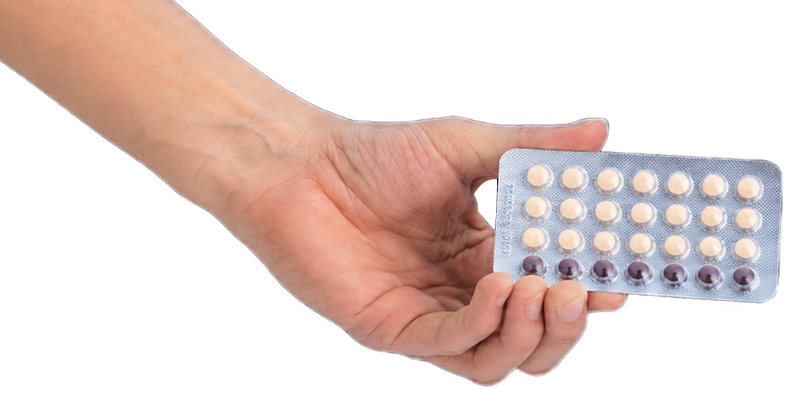
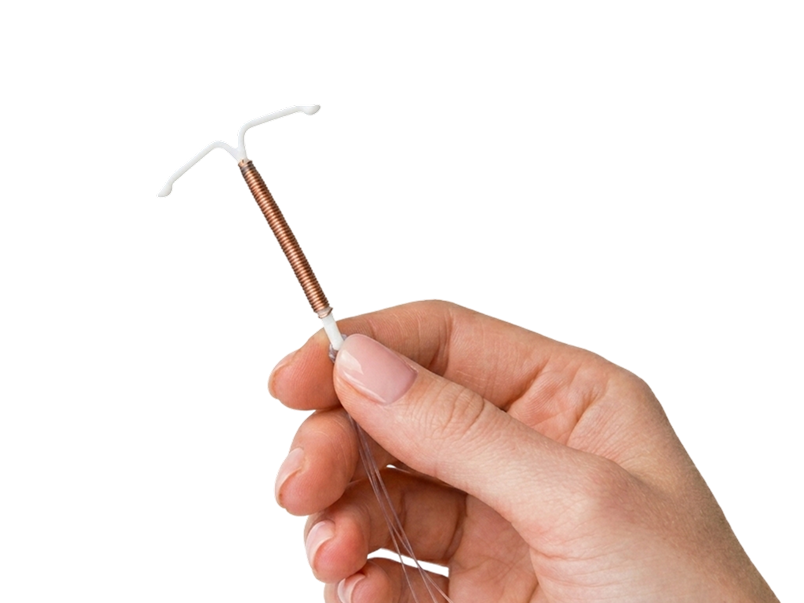
When we talk about “healthy practices,” it means women are in relationships where both partners share mutual understanding and respect. For example, when both partners aren’t yet ready to have children or want to enjoy some independence, it’s important for women to choose the right contraceptive method that fits their health, lifestyle, and personal needs.

For more details about the right contraceptive methods, you can read further here:
https://lydia.mm/family-planning/

Monitor Menstrual & Discharge Patterns

What Is Vaginal Discharge?

Vaginal discharge is a natural fluid that plays an important role in a woman’s reproductive health. From a medical perspective, it refers to the fluid released from the uterus and vagina. This fluid is made up of a combination of cells, bacteria, mucus, and water.

The main benefits of vaginal discharge include:

  • Keeping the vagina clean and healthy
  • Indicating a woman’s fertility status

Among the different types of vaginal discharge, cervical mucus is especially important for fertility. When women understand these natural changes in their bodies, it can help them maintain uterine health and support informed family planning decisions.

What Is Cervical Mucus?

Cervical mucus (also known as cervical fluid) is a natural secretion produced by the cervix. Due to monthly hormonal changes—primarily oestrogen and progesterone—the cervical mucus changes in:

  • Colour
  • Amount
  • Thickness and texture

These changes are natural signs that support fertility and the ability to conceive.

What Can Cause Changes in Cervical Mucus?

Hormonal Changes : Oestrogen and progesterone regulate the production and quality of cervical mucus.

Medications : Birth control, allergy medications, and certain other medicines can affect mucus production.

Diet & Hydration : Daily eating habits and adequate water intake influence overall health and can also affect cervical mucus.

Infections or STIs : Sexually transmitted infections (STIs) or vaginal yeast infections can change the colour, smell, and amount of cervical mucus.

Medical Conditions : Conditions such as PCOS (Polycystic Ovary Syndrome), cervical cancer, or thyroid disorders can disrupt hormonal balance and impact cervical mucus production.

Cervical Mucus Changes Throughout the Menstrual Cycle

Time Period Condition
Menstruation (Days 1–5) Little or no mucus
Post-menstruation (Days 6–9) Dry or slightly sticky
Pre-ovulation (Days 10–12) Creamier, increased amount
Ovulation (Days 13–15) Clear, slippery, stretchy, egg-white-like – “fertile mucus”
Post-ovulation (Days 16–21) Thicker with reduced amount
Pre-menstruation (Days 22–28) Minimal and sticky – low fertility

Recommendation

Days 13 to 15 after menstruation are the most fertile days, when the chances of pregnancy are highest.

How To Take Care Of Vaginal Health

Simple Daily Tips to Care for Vaginal (Cervical) Health

For women, keeping the genital area clean is an important part of maintaining vaginal and cervical health.

How to Keep the Vagina Clean

  • Most women are familiar with feminine washes or cleansing solutions. These can help clean the external genital area (vulva), but they should only be used externally.
  • The vagina itself has a natural self-cleaning system, so there is no need to clean the inside with soap, washes, or other products. In fact, doing so can disrupt its natural balance.
  • The simplest and safest way to maintain hygiene is to wash the external genital area daily with clean water. Using soap is not necessary.
  • When cleaning the genital area, it is important to be gentle and careful. Rushing or scrubbing too hard can cause irritation or injury, so always treat the area with care.

How to Care For your vagina when being intimate with a partner

Before Intimacy After Intimacy
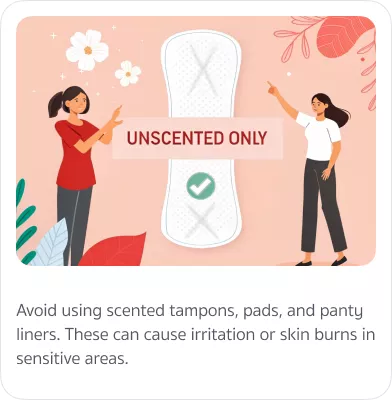
Choose a natural gel-type lubricant without color or fragrance to avoid irritation if using lubricant.
Make sure the genital area is clean.
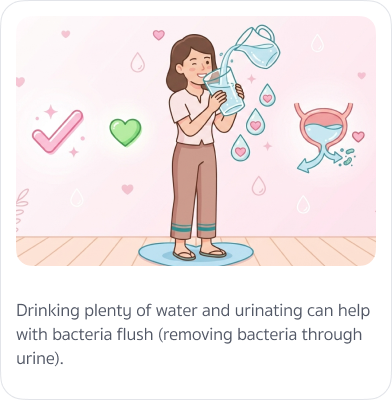
Urinate first to help flush out any bacteria, then gently wash the external area with water.

Appropriate Clothing for Maintaining Vaginal Health

About Pubic Hair

Naturally, pubic hair helps protect the vaginal area by preventing bacteria and other germs from entering the cervix directly. When grooming pubic hair, it’s safest to use trusted single-use razors or reliable waxing products to maintain hygiene without causing irritation or infection.

Other Tips for Maintaining Women’s Vaginal Health

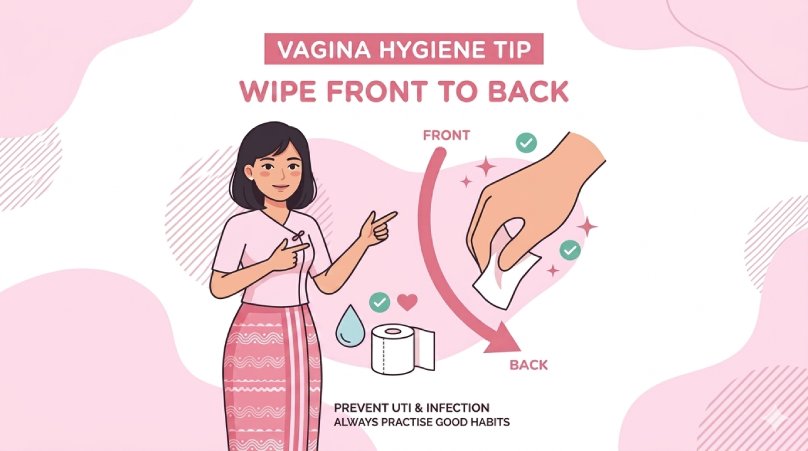
Always Wipe From Front To Back To Prevent Bacterial Infection

Vagina Hygiene Tip: Wipe Front to Back

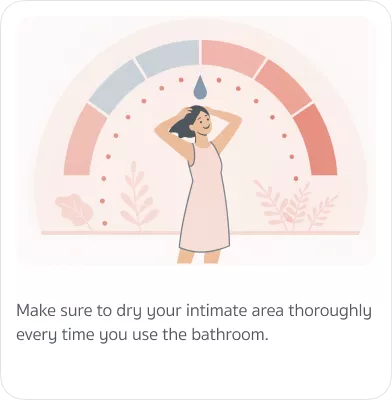
Always clean from front to back after using the toilet. This simple habit prevents bacteria from the anus from reaching the urethra or vagina.

After rinsing with water, gently pat dry with toilet paper to keep the area clean and dry.

What Happens If You Wipe From Back to Front?

Wiping from back to front can transfer bacteria from the anus directly to the vagina. This increases the risk of urinary tract infections (UTIs) as well as vaginal infections.


Urine After Sex

Why is it important for women to urinate after sexual activity?

Urinating after sexual activity helps reduce the risk of sex-related urinary tract infections (UTIs). Women’s urethras are located close to the vaginal opening, making it easier for bacteria to enter. Therefore, urinating immediately after sex, followed by thoroughly washing with water, can help remove some of the bacteria.

When should you urinate?

Important Notes :

  • Urinating after sexual activity does not prevent pregnancy.
  • It does not protect against sexually transmitted infections (STIs).
  • It only helps reduce the risk of urinary tract–related infections to some extent.

Viginal Discharge & Symptoms

Vaginal discharge is a common and natural occurrence. It is a type of natural fluid that helps keep the vagina clean and healthy and also supports overall uterine health.

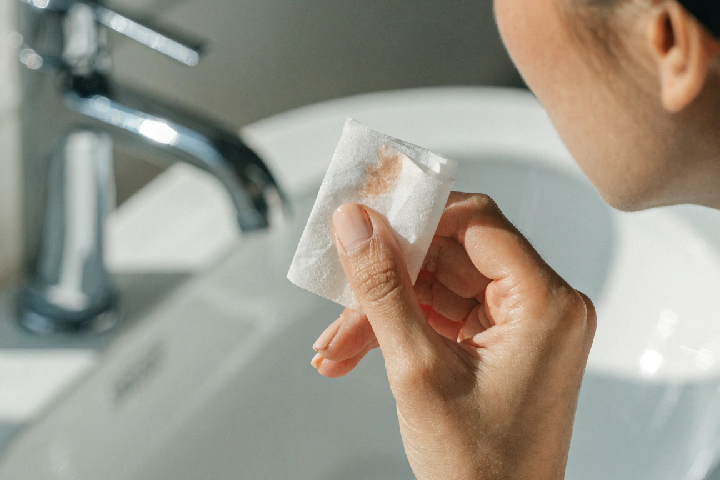
However, if the discharge begins to cause daily discomfort, such as itching, develops a strong or unpleasant odor, or changes from its usual white color to other colors (such as green, yellow, or brown with a mold-like appearance), it is important to have it properly evaluated.

To help women better understand what different symptoms related to vaginal discharge may indicate, the information below is presented in an easy-to-understand table.

Discharge Type and Color Possible Condition Other Symptoms
Brown or coffee-like color Irregular menstrual cycle, cervical cancer, or uterine problems. Lower abdominal pain and abnormal bleeding.
Cloudy or pale yellow color Gonorrhea Lower abdominal pain and urinary incontinence.
Green or yellow with a bad odor Trichomoniasis Pain during urination. Vaginal itching.
Pink Postpartum bleeding from the uterus (Lochia) Bleeding with clots.
Thick white (cottage cheese-like appearance) Yeast infection Redness, swelling, and pain in the outer vagina (vulva). Itching and pain during sexual intercourse.
Green or yellow with a fishy odor Bacterial imbalance (Bacterial vaginosis) Redness and swelling of the outer vagina. Itching and pain. Burning sensation when urinating.

What Causes Vaginal Infections in Women?

Vaginal infections are common among many women. Some of the main factors that can lead to vaginal inflammation and infection include the following :

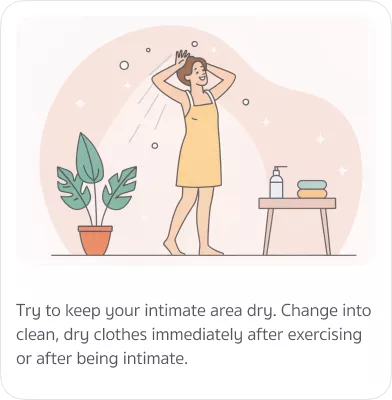
A moist vaginal environment, which allows germs to grow.  This can happen when wearing wet clothing for a long time, such as swimsuits, or tight clothing that does not allow proper air circulation.

Use of antibiotics or certain medications, which may increase vaginal discharge and disrupt the natural balance of bacteria, allowing infections to develop.

Hormonal medications, such as birth control pills, can cause increased vaginal discharge in some women. If proper hygiene is not maintained, this may lead to infection.

Not keeping the vaginal area clean and dry after using the toilet, which can allow bacteria or fungi to enter the vaginal area under unhygienic conditions.

Weakened immune systems, especially in women who have underlying medical conditions, which can increase the risk of vaginal infections.


Reach Out to Us

Have a question or need more information? Our team is here to help. Reach out to us anytime, and we will get back to you as soon as possible.

Choose A Platform To Connect With Us